

Request a quote
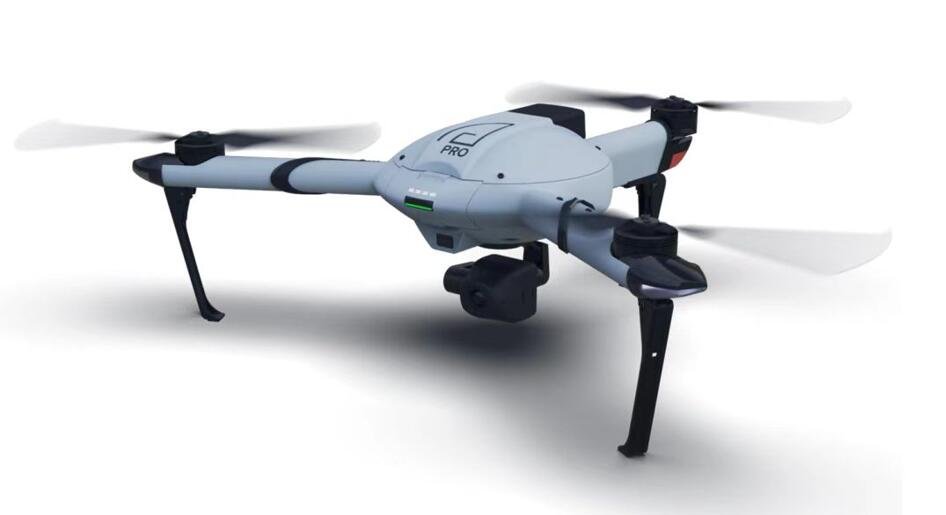

How to Choose a Carbon Fiber Drone Body Manufacturer: 5 Key Questions for Decision-Making
In the drone industry, where extreme performance and extended flight times are constantly pursued, carbon fiber bodies and components have become the core of lightweight manufacturing. Carbon fiber’s exceptional strength-to-weight ratio directly determines a drone’s operational efficiency and reliability. However, selecting a dependable carbon fiber manufacturing partner is no easy task.
Here are five core evaluation factors to help you screen high-quality partners and ensure the performance of your carbon fiber drone components:
1. Technical Strength and Production Scale
- Core Technical Capabilities: A manufacturer’s expertise in composite design and manufacturing processes—such as vacuum infusion, Resin Transfer Molding (RTM), compression molding, and autoclave processing—is vital. Experienced teams can draw on years of carbon fiber design and production knowledge, offering product feasibility analyses and cost-effective, reliable solutions. This minimizes development risks while saving time and money.
- Scalability and Flexibility: Evaluate their production line capacity and process control to ensure they can fulfill large-volume orders. At the same time, check whether they offer flexible response mechanisms for small-batch custom production to meet diverse and personalized project requirements.
2. Material Selection and Advanced Manufacturing: The Foundation of Performance
- Precise Material Selection: A top-tier carbon fiber drone manufacturer understands materials deeply:
- Carbon Fiber Grades: Selecting the right grade (such as T300, T700, or high-modulus M-series) directly impacts strength, toughness, and unit cost.
- Hybrid Composite Applications: Combining carbon fiber with materials like fiberglass (to lower cost) or Kevlar (to enhance impact resistance) optimizes overall performance. Experienced manufacturers leverage internal material databases to recommend the ideal blend.
- Advanced Equipment & Processes: High-precision equipment (automated cutting, forming, and curing) and a robust process framework across multiple molding technologies serve as the hardware foundation for superior precision and product consistency.
3. Quality Control Systems
- Full-Process Quality Planning: True quality comes from design and management rather than post-production inspection. Choose a manufacturer with a complete Advanced Product Quality Planning (APQP) framework, full-process controls from incoming raw materials to final shipment (including first-article, in-process, and final inspection), and strict documentation management (such as defect tracking and PDCA closed-loop systems).
- Quality Certifications: While ISO 9001 is a basic requirement, it is recommended to prioritize manufacturers certified under IATF 16949. Derived from the automotive industry, this standard’s rigorous demands across design and manufacturing maximize batch stability and reliability for carbon fiber components.
- Product Testing: The manufacturer should establish a comprehensive testing plan based on your technical specifications, strictly carrying out critical tests—such as structural strength, heat resistance, and impact resistance—to ensure full compliance.
4. Delivery Capability and After-Sales Support
- Precise Delivery Track Record: Rather than taking verbal promises at face value, ask the manufacturer for a detailed capacity calculation sheet based on the “Man, Machine, Material, Method, and Environment” (4M1E) framework to prove their volume production capability. Additionally, inquire about contingency plans for urgent orders or unexpected disruptions (e.g., power supply outages).
- Responsive After-Sales Service: A responsive service system is essential. Select a manufacturer that guarantees fast response times (e.g., within 2 hours), provides immediate containment measures within 24 hours, and works toward long-term root-cause solutions to ensure continuous operational improvement.
5. Cost Optimization and Transparent Pricing: The Foundation of Win-Win Partnerships
- Clear Cost Breakdown: Both parties should agree upon a transparent cost breakdown (covering materials, labor, manufacturing, testing, packaging, shipping, and yield-rate allowances) to avoid hidden fees that cause later disputes.
- Avoid the Lowest-Price Trap: Healthy profit margins give manufacturers the drive to continuously improve, innovate, and guarantee quality. Be cautious of ultra-low quotes that may mask risks of cut corners or substandard raw materials.
- Open Negotiation Mechanism: Establish a clear agreement beforehand: if scope or specification changes lead to cost shifts, both parties will negotiate adjustments openly to protect production schedules and stable supply chains.
Conclusion
Finding the ideal carbon fiber drone body manufacturer requires a holistic evaluation of technical expertise, manufacturing scale, quality discipline, delivery reliability, and cost optimization.
Working with a manufacturer that possesses extensive experience in carbon fiber composite mass production and holds IATF 16949 certification is strongly recommended. Such a partner will not only deliver cost-effective, high-quality solutions, but will also utilize mature management systems and engineering data to significantly reduce your trial-and-error costs, accelerate time-to-market, and fully unleash the performance potential of carbon fiber in your drones.